
Climate in Crisis
Turning Challenges into Opportunities

This past winter, residents in Salisbury, Massachusetts faced a devastating blow when the ocean claimed a $600,000 investment in just one day. These substantial losses, compounded by national disasters, have forced industries to raise prices and withdraw from certain markets, rendering it prohibitively expensive to insure homes or cars. Shockingly, despite witnessing the imminent collapse of a neighbor's house, one resident expressed disbelief that sea-level rise, a consequence of climate change, poses a threat to property protection.
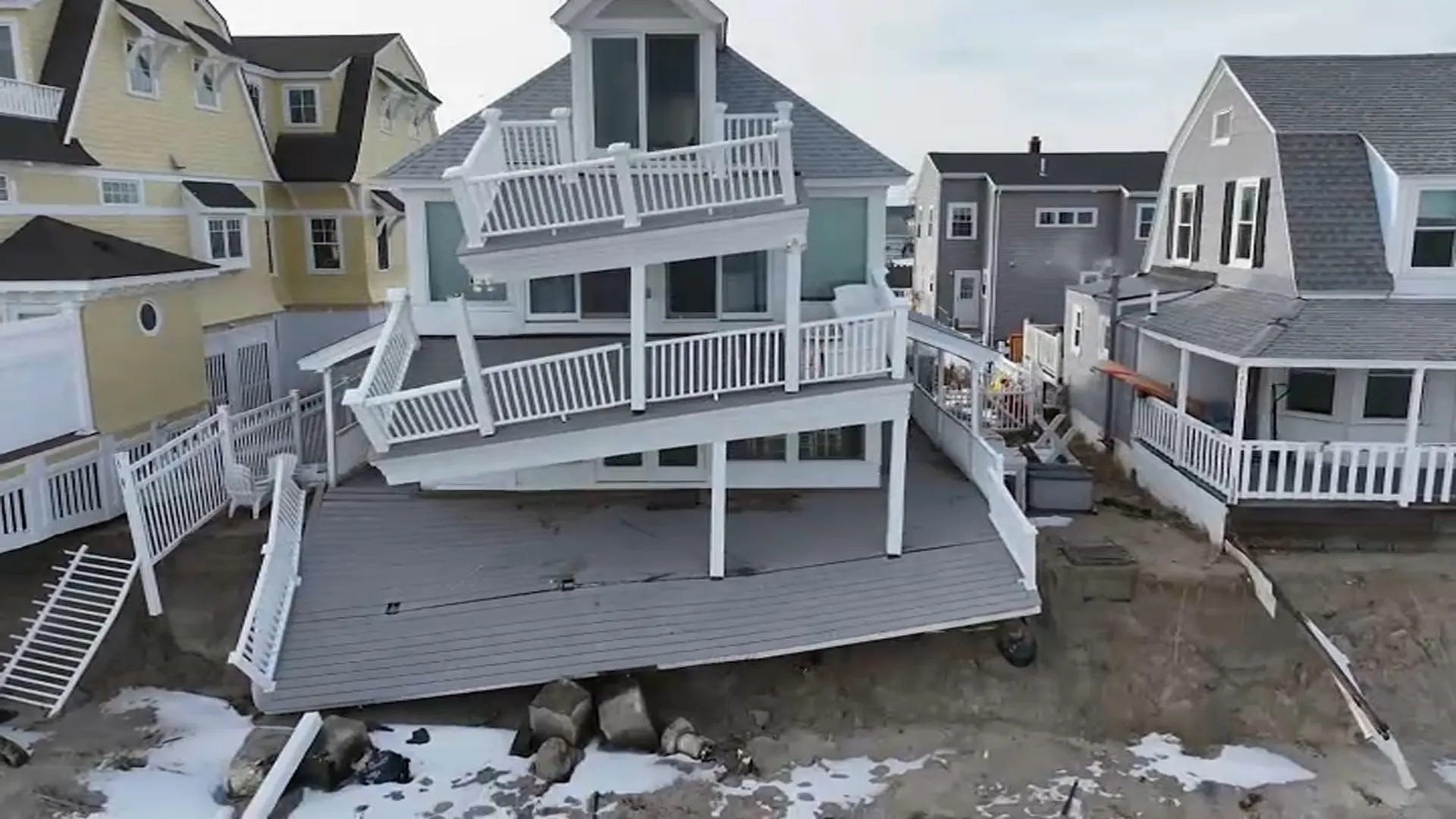
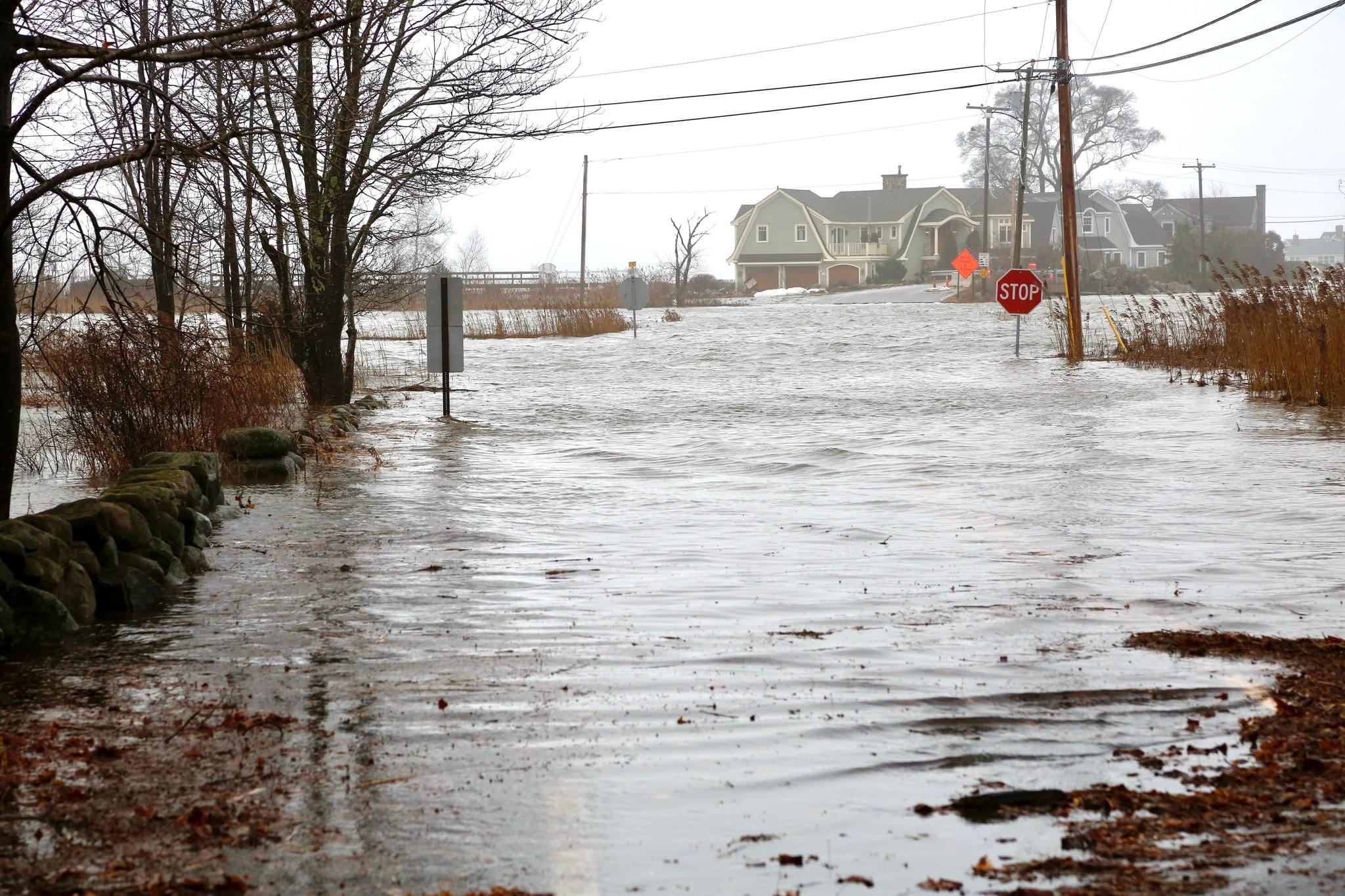
The politicization of science and scientists has exacerbated this issue, causing division and skepticism. Some may even unsubscribe from this blog merely for broaching the topic. However, the evidence of climate change is irrefutable. From the increasingly frequent and severe storms in southern states to the NOAA's prediction of an above-normal hurricane season, increasing prevalence of severe airline turbulence, the global boiling of coral reefs, and the impact of severe winter storms in my own town, the signs are clear.
During a recent visit to the Boston Public Library, I explored an exhibit showcasing the history of transportation in Boston. One particularly striking artifact was a map of the Boston area dating back to 1639. This historical document revealed extensive land reclamation efforts, portraying much of modern-day Boston, as much as a sixth of the city, as built on artificial land (see Figure 3). This insight into the city's past underscores the significant challenges posed by construction in an area vulnerable to rising sea levels.


Notably, artificial fill presents unique obstacles for construction due to subsidence caused by the heterogeneity of fill materials. Furthermore, artificial land in Boston and other cities is often situated at lower elevations, rendering it susceptible to both overland and underground flooding. This phenomenon, known as liquefaction, poses additional challenges and exacerbates the risks associated with rising sea levels. An architect aptly captured this threat, likening it to a pancake under increasing weight. They stated, “If it was a pancake, and you keep putting weight on top of it, eventually that pancake is going to splatter and push out to the sides, which will then compromise sea walls.” This vivid analogy underscores the dual threat posed by rising sea levels and land subsidence.
In light of this pressing challenge, it is clear that proactive measures are urgently needed to mitigate the impacts of climate change on coastal cities like Boston.
As a mother, I'm deeply concerned about the future for my children and the generations to come. It's crucial to stress that addressing the impacts of climate change is not a political issue but a shared responsibility that demands collective action. Taking a stand against industry interests and implementing proactive measures are vital steps in protecting our communities and environment. By acknowledging the undeniable evidence of climate change and taking decisive action, we can strive towards a more sustainable future for all. Let's unite in prioritizing resilience, innovation, and collaboration to tackle this urgent global challenge head-on.

You can read more in my book Female Disruptors: Stories of Mighty Female Scientists that is available on Amazon, Barnes & Noble, and through your local bookstore.

"Female Disruptors is a wonderful mix of stories about mighty female scientists, and carefully documented data on everything from discrimination against women in STEM to the impact of balancing a career in science with motherhood. Mindi makes this personal by interweaving her own stories, which makes the work come alive. If you want to both be infuriated at woman scientist's plight, and also hear words of hope, and solid ideas for change, read this book."
~ Dr. Linda Rhodes, VMD, PhD
There are several concrete actions that individuals, communities, and governments can take to address climate change. Here are some suggestions:
Reduce Carbon Emissions: Individuals can reduce their carbon footprint by using energy-efficient appliances, driving less or using public transportation, and opting for renewable energy sources like solar or wind power.
Support Renewable Energy: This includes investing in renewable energy technologies and supporting policies that promote their adoption, such as subsidies and incentives for renewable energy production.
Energy Efficiency: This can include upgrading insulation, using energy-efficient appliances, and implementing energy-saving practices in manufacturing and production processes.
Protect Natural Resources: Support conservation efforts and advocate for policies that protect natural habitats.
Promote Sustainable Agriculture: Support local food systems and reduce food waste to minimize emissions associated with food production and transportation.
Advocate for Climate Policy: Advocate for strong climate policies at the local, national, and international levels. This includes supporting policies that set targets for emissions reductions, promote renewable energy deployment, and provide funding for climate adaptation and resilience measures.
Protect Drinking Water: Advocate for measures to protect drinking water sources from chemical releases and contamination. Support policies and regulations that safeguard water quality and prevent pollution from industrial and agricultural activities.
Educate and Raise Awareness: Educate yourself and others about the causes and impacts of climate change, as well as the solutions available to address it. Raise awareness in your community through outreach, education campaigns, and public events.
Reduce, Reuse, Recycle: Practice the principles of reduce, reuse, and recycle to minimize waste and reduce emissions associated with resource extraction, production, and disposal. This includes reducing consumption, reusing items whenever possible, and recycling materials to keep them out of landfills.
Support Climate Justice: Advocate for climate justice and support initiatives that address the disproportionate impacts of climate change on vulnerable communities, both locally and globally.
Vote and Engage: Exercise your democratic rights by voting for candidates and policies that prioritize climate action. Engage with elected officials, participate in public hearings and consultations, and join or support advocacy groups working on climate issues.